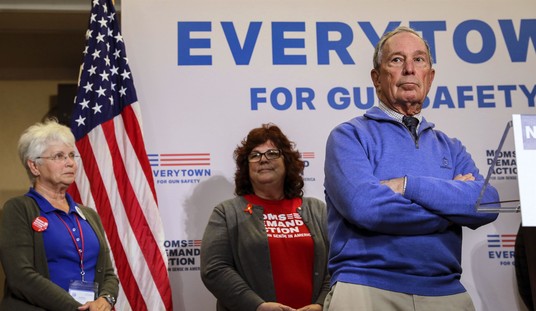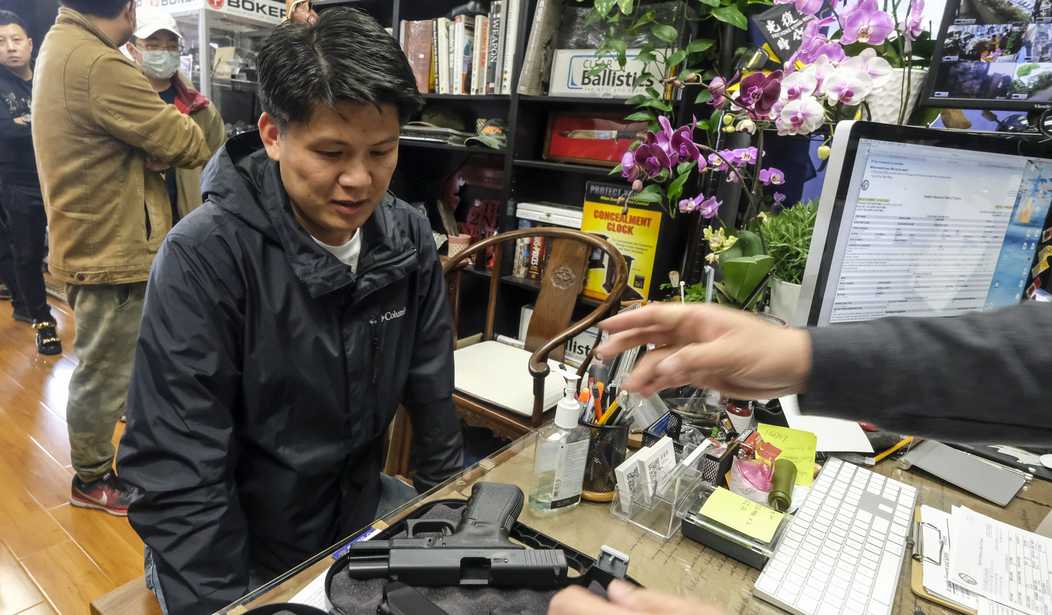

A while ago, I wrote an awful lot about banks and other financial entities cutting off companies in the gun industry. They'd just stop doing business with them out of the blue, despite the gun companies having done literally nothing wrong.
There was a war going on between the two industries, and the firearm industry was outgunned.
It was absolute BS, to be sure, but the truth is that the banking industry did it and figured they were in the right. The fact that then-New York Gov. Andrew Cuomo and others made threats that provided cover to the industry for what it seems they wanted to do anyway is irrelevant. They did it, and they didn't have to.
And now, they've got questions to answer.
The nation’s largest banks are finally facing accountability for their systematic discrimination against the firearm industry.
A top banking regulator released findings Dec. 10, revealing that nine of America’s biggest banks, including JPMorgan Chase and Bank of America, improperly refused to do business with politically sensitive industries ranging from oil and gas to firearms manufacturers, per a report by the Wall Street Journal. The revelations vindicate years of complaints from gun rights advocates who watched financial institutions weaponize their market power against constitutionally protected commerce.
The Office of the Comptroller of the Currency report stems from an investigation substantiating claims by President Donald Trump that the largest banks engaged in what the administration terms “politicized or unlawful debanking activities.” The findings represent a watershed moment for the firearm industry, which has endured financial blacklisting despite operating within a lawful and highly regulated framework.
“It is unfortunate that the nation’s largest banks thought these harmful debanking policies were an appropriate use of their government-granted charter and market power,” Comptroller of the Currency Jonathan Gould, a Trump appointee, said in a statement. The report indicates the investigation continues and that the OCC could ultimately refer its findings to the Attorney General.
Banks have consistently claimed they don’t close accounts for religious or political reasons, asserting that decisions to avoid certain industries or clients accord with laws making banks watchdogs for criminal activity and money laundering or respond to other regulatory pressures meant to safeguard the banks. These explanations ring hollow, given the OCC’s preliminary findings.
And we saw too many well-respected companies find their financial services terminated for no valid reason. They can claim they don't close accounts for those reasons, but they did.
Sure, Cuomo and other New York state officials made threats, but they couldn't follow through on them without changing the law, which would have resulted in lawsuits that eventually got those laws overturned.
They did it because they wanted to. This was what they wanted to do, and they did it.
Now, they're facing tough questions from regulators at a time when the federal government is more inclined to go after people who toed the left's line on various policy positions. It's just a case of turnabout being fair play, but they figured that the next Republican president would be more Mitt Romney than Donald Trump.
Unfortunately for them, they didn't see a Trump-like president, but the man himself, and he's not playing nice this time around.
In this case, though, it's precisely what should have happened. Banks don't have the power to just cut off people and companies in legal industries. Now, they're looking to reap what they've sown.
Excuse me if I can't seem to find any tears to spare for the poor, unfortunate bankers who are having to lie in the bed they made.
Now, though, I want to see heads roll. Metaphorically, of course, but roll just the same. Questions aren't enough to discourage this sort of thing in the future. Penalties will do more.