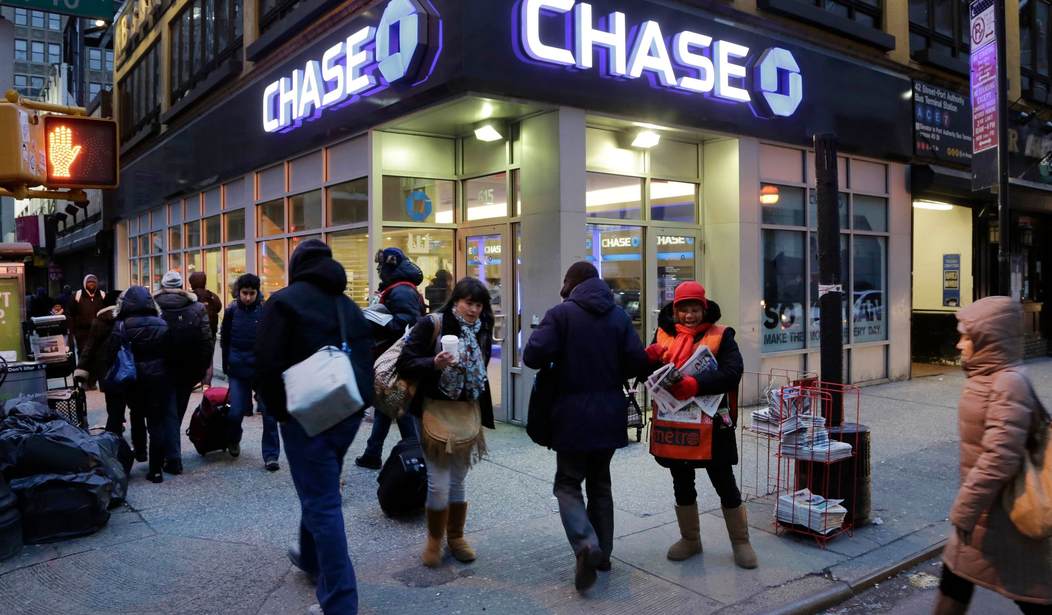
The Office of the Comptroller of the Currency has completed its initial investigation into the banking practices of some of the country's biggest financial institutions as part of President Donald Trump's executive order to ensure fairness in the banking industry, and it confirms what many gun makers, politicians, and other business owners in the firearms industry have attested over the past few years: these companies were discriminating against the firearms industry.
According to the OCC's preliminary findings:
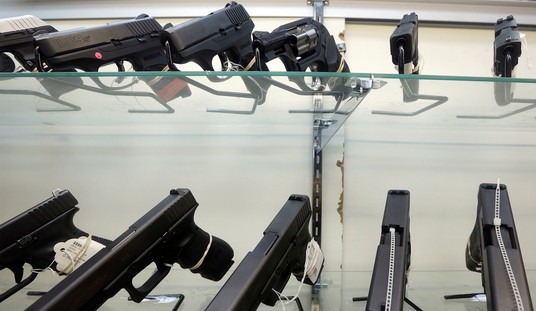
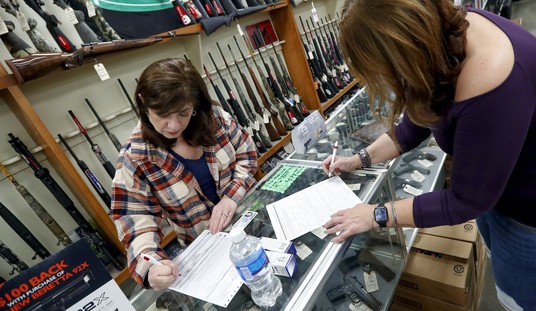
Several banks restricted financing to firearms manufacturers or retailers, including those offering assault- or military-style weapons for civilian use. Others included certain firearms accessories (e.g., bump stocks, high-capacity magazines). At least two banks highlighted “polarizing” or “polarized” public opinion surrounding individual gun ownership rights and gun control as part of the basis for their firearms restrictions. Another bank noted that “an association with certain [f]irearms [m]anufacturers and [r]etailers could result in significant [f]ranchise risk, particularly when those firearms are associated with civilian gun violence.” As a result, it conditioned relationships with these manufacturers and retailers on their adherence to the bank’s view of “best practices” regarding the sale of firearms.
Those "best practices" were often created or pushed by gun control groups, and went so far as to forbid doing business with any entity that manufactured or sold so-called assault weapons.
According to the OCC, some of these banks also had policies impacting clients who were "previously or currently subject to negative media and/or controversy” or "could cause negative news coverage" for the financial institutions; policies that weren't necessarily specific to the firearms industry but could still result in longstanding business relationships coming to an end after a high profile shooting or pressure campaigns from anti-gun organizations (like the repeated attacks on Daniel Defense after the Uvalde shooting in 2022).
The nine banks subject to the OCC investigation were JPMorgan Chase Bank, Bank of America, Citibank, Wells Fargo Bank, U.S. Bank, Capital One, PNC Bank, TD Bank, and BMO Bank.
While the report doesn't detail which of the nine had policies discriminating against the firearms industry, previous reports have implicated JPMorgan Chase, Citibank, and Bank of America. Many of these companies have already walked back those discriminatory practices after several states including Texas and Louisiana passed laws barring financial institutions that discriminate against the firearms industry from competing for municipal or state bonds or other government business.
Others took a little more prodding. In September, for instance, the National Shooting Sports Foundation complained that J.P. Morgan Wealth Management was refusing to provide banking services to Brandon Maddox, the founder and CEO of Silencer Central. A senior associate at J.P. Morgan told Maddox that "we are prohibited from working with entities and associated individuals that are in the category of arms, ammunition and explosives"; a position that directly conflicted with President Trump's executive order forbidding banks from engaging in “unacceptable practices to restrict law-abiding individuals’ and businesses’ access to financial services on the basis of political or religious beliefs or lawful business activities.”
The following day, however, J.P. Morgan Wealth Management reversed course, with another associate emailing Maddox to let him know that, "JPMorganChase does, in fact, bank companies in the firearms industry," adding that they "would love the opportunity to talk to you about how our firm might support your business."
The Office of the Comptroller of the Currency report is available online, though it doesn't contain many specifics about the anti-2A discrimination that companies within the firearms industry have been subjected to in recent years. With the Trump administration scrutinizing these institutions, hopefully these discriminatory practices have come to a screeching halt, but if not we could soon see the DOJ and Treasury Department get involved to defend disfavored industries and hold these big banks accountable for their actions.