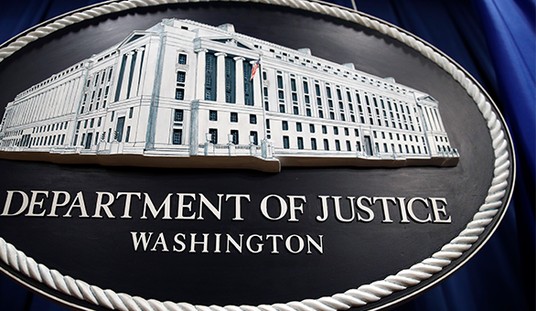
The DOJ Civil Rights Division lawsuit against the U.S. Virgin Islands hasn't gone away, though there also hasn't been much movement as of late. In court filings earlier this month the USVI requested more time to meet deadlines for discovery, blaming a shortfall of attorneys in the territory's Civil Division, and a mediation conference has been scheduled between the two parties for mid-June.
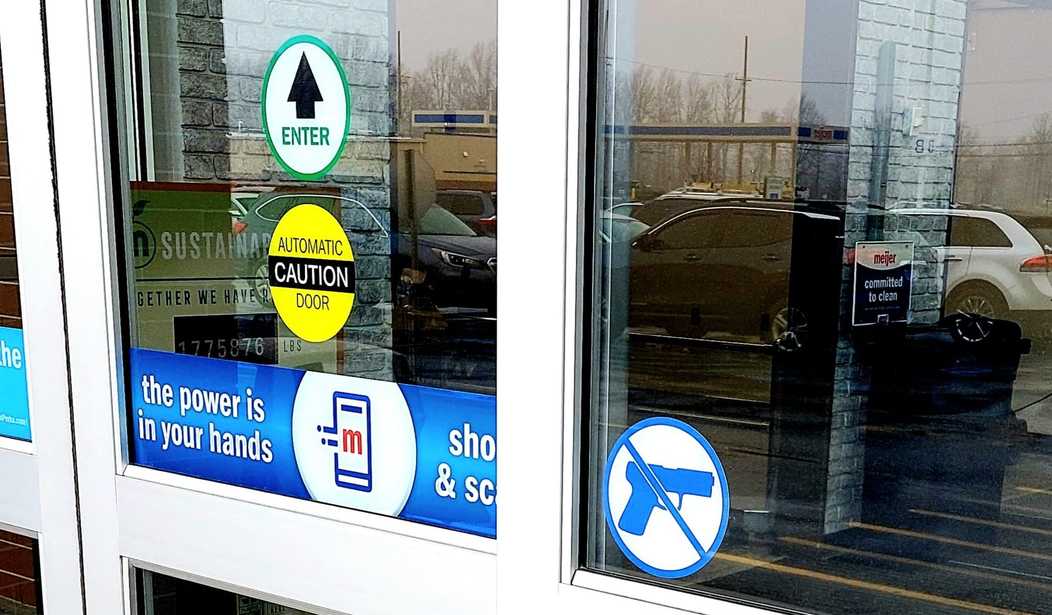
While the litigation continues, Virgin Island officials are instituting even more gun control measures. This week Gov. Albert Bryan signed an executive order prohibiting the lawful carry of firearms in virtually every government building and office, even if the gun owner possesses a valid carry license.
Under the order, officers and employees of the Government of the Virgin Islands, contractors, visitors, and members of the public may not carry, possess, or have a firearm or ammunition in any government building or interior office, including adjacent secured areas used for official proceedings. The restriction applies whether or not a person has an active concealed carry license or another firearm license.
The order provides two limited exceptions. It does not apply to duly sworn law enforcement or peace officers acting within the scope of their official duties. It also permits a licensed gun owner to obtain a limited Attorney General Government Building Waiver when there is a specific need and when safety considerations justify it. Such waivers must be approved in writing by both the attorney general of the Virgin Islands and the Virgin Islands police commissioner, must be issued for a specified purpose, may not exceed 12 months, and may be revoked in writing by the attorney general at any time.
“This policy respects the difference between responsible firearm ownership and the need to maintain safe, orderly public facilities,” Governor Bryan said. “It does not take away anyone’s rights. It simply makes clear that government buildings are not ordinary spaces. They are workplaces, service centers, hearing rooms, offices, and places where sensitive public matters are handled every day.”
They might be places where sensitive public matters are handled, but does that make them "sensitive places"? The Supreme Court has used pretty broad language to suggest that "government buildings" in general can be deemed off-limits to firearms, but the historical record shows that gun bans in government buildings has generally been limited to courthouses and legislative assemblies, at least until modern times.
That might be why Bryan's executive order contains an exemption for a waiver that can be granted to individual gun owners; it's not really a total gun ban because concealed carry licensees with a specific need can carry with government approval.
The problem for Bryan is that the policy sounds an awful lot like a "may issue" licensing law; not in terms of obtaining a license, but where it allows someone to carry.
The DOJ's complaint against the USVI does not contain any challenge to a "sensitive place" in the territory. Instead, it targets a requirement that "applicants submit to intrusive and warrantless home searches as a condition of obtaining a gun permit, the demand that applicants "unnecessarily spend money to install a safe and further require the safe to be bolted either to the floor or wall of applicant’s home as a condition of granting a permit, as well as the allegation that the Virgin Islands PD unreasonably delays the processing of applications, "even from those individuals who are willing to comply with blatantly unconstitutional requirements."
Complaints can always be amended, though at this point in the litigation the DOJ would need to file a motion with the judge to allow another count to be introduced. Given the broad scope of Bryan's order, I'd say it's worth a shot.
The problem, though, is that the DOJ has taken the position that “there is a presumption that federal buildings are sensitive places.” That was one of DOJ's primary defenses in a challenge to the federal ban on firearms in postal facilities. It wasn't a successful argument, with U.S. District Judge Reed O'Connor finding in favor of Firearms Policy Coalition and several individuals last fall, but DOJ is appealing that decision and going after the Virgin Islands for its carry ban in all government buildings might complicate their defense going forward.
The easy solution would be for DOJ to stop defending the post office carry ban, so that it can be consistent in arguing that the USVI's new policy is far too broad to withstand constitutional muster. I don't think that would have been possible with Pam Bondi running DOJ, but maybe we'll have better luck with Acting Attorney General Todd Blanche.
Even without the DOJ's involvement individual residents of the Virgin Islands can challenge Bryan's new policy as a violation of their Second Amendment rights. It would send a strong message if the Department of Justice were to take aim at a sweeping "sensitive places" policy, though, and I hope that the AG and Civil Rights Division chief Harmeet Dhillon will hold Bryan to account for his overly broad "gun-free zone."