On May 26, 2026 Maryland Gov. Wes Moore signed Senate Bill 334 into law. As a result, starting on January 1, 2027 "a person may not manufacture, sell, offer for sale, purchase, receive, or transfer a machine gun convertible pistol.”
The state's definition of a "machine gun convertible pistol" is “any semiautomatic pistol with a cruciform trigger bar that can be readily converted by hand or by using common household tools into a machine gun by the installation or attachment of a pistol converter as a replacement for the slide’s backplate.”
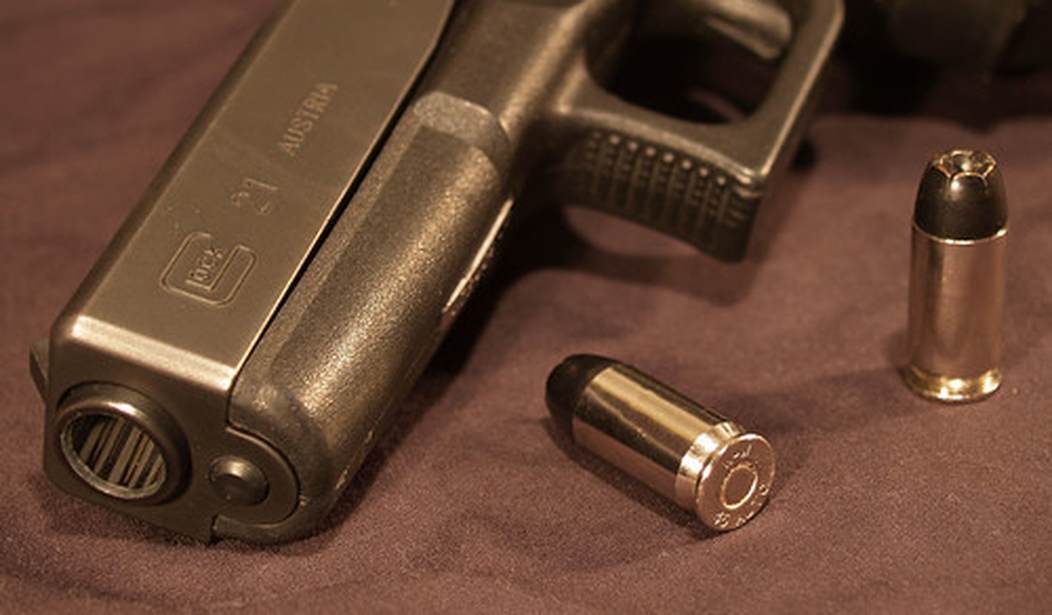
That language is designed to cover all Glock pistols and other striker-fired handguns that are essentially Glock clones, and will result in some of the most popular models of self-defense firearms becoming illegal to purchase or sell, with violations incurring a potential three-year prison sentence.
The same day that Moore enacted the Glock ban, a coalition of Second Amendment groups including the NRA, FPC, and SAF, along with several individual gun owners and FFLs filed suit in federal court challenging the ban. Now the state of Maryland has filed its response, and its first defense is the bizarre contention that the plaintiffs waited too long in filing suit and it should therefore be thrown out.
Maryland's first affirmative defense is that the plaintiffs' lawsuit is "barred by laches"; a legal term that means a party has waited so long in filing suit that it's complaints should be null and void. How on earth the state reached that conclusion is beyond me, given that the suit was filed the very same day that SB 334 became law.
That assertion doesn't just show contempt for the plaintiffs, in my opinion, but for the judge overseeing the lawsuit as well. It is so facially untrue that it's insulting, but so too is the rest of Maryland's response.
The state doesn't attempt to justify the ban by pointing to any historical analogues or even arguing that the ban is a regulation on a commercial sale of a firearm that should be presumed constitutional. After claiming that the plaintiffs took far too long in filing their complaint, the state's other defenses include a statement that the plaintiffs' claims are barred "because the complaint fails to state a claim upon which relief can be granted," that the plaintiffs lack standing, and that their claims are "barred, in whole or in part, by sovereign immunity."
Maryland offers no evidence to back up any of their arguments, and it would be utterly outrageous for a judge to accept any of them at face value and grant the state's request to dismiss the lawsuit and force the plaintiffs to pay Maryland's legal fees.
The plaintiffs' complaint could not have been more timely, and even its amended complaint was filed in late June, which is nearly six months before the ban is set to take effect. The state's other arguments are just as easily refuted.
Glocks are most certainly in common use for lawful purposes, and are therefore presumptively protected by the Second Amendment. It's up to the state to justify its ban through the use of historical analogues, which it has not even attempted to do. The lawsuit's claim is that both the Second and Fourteenth Amendment rights of the plaintiffs are being violated by SB 334, and the relief that can be granted is injunctive relief that prevents the law from being enforced.
The plaintiffs include individual gun owners who will not be able to purchase these popular pistols, FFLs who will not be allowed to sell them, and organizations who have Maryland residents as members, who will also be impacted. They easily have standing to sue.
Maryland's governor, attorney general, and secretary of the Department of State Police are all being sued in their official capacities, and the Supreme Court's decision in Ex parte Young makes it crystal clear that plaintiffs may sue state officials in their official capacities for prospective injunctive or declaratory relief to stop an ongoing violation of federal law or the Constitution.
The state's response is so easily refuted that I can only assume Attorney General Anthony Brown is just trying to buy time for his allies in the gun control lobby to come up with a better argument to defend the state's new gun ban. This definitely won't be the last word in the legal fight over Maryland's Glock ban, because the state has provided no basis at all to deny the plaintiffs the relief they're requesting, much less dismiss the lawsuit altogether.