The Supreme Court's decision not to grant cert to a case called Schoenthal v. Raoul may be the biggest "what ifs" in Second Amendment jurisprudence.
The lawsuit challenged the prohibition on lawful concealed carry on public transportation in the state of Illinois and the Chicago Transit Authority, and a district court judge ruled in favor of the four plaintiffs who sued. The Seventh Circuit reversed that decision, though, and in doing so put forth the argument that the right to carry can be curtailed in virtually every crowded public space where "vulnerable" populations may be present.
There's no population more vulnerable than those who are unable to protect themselves from harm, and both before and after the Supreme Court denied cert in Schoenthal, those who depend on public transit to get around in Chicago have been subjected to "gun-free zones" that are hardly free from crime.
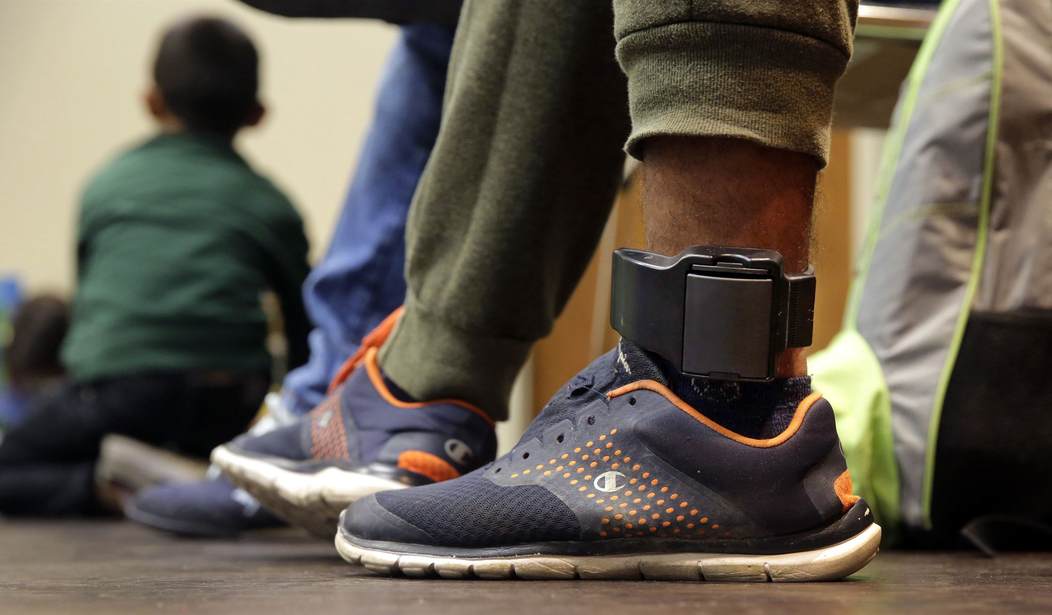
The website CWB Chicago recently reported on the sentence handed down to a Chicago man who's been busted twice in the past year for robberies on CTA property... each time while he was wearing an electronic monitoring device that was supposedly going to keep him on the straight and narrow.
Shannon Stephens, 24, was arrested following the February 19 robbery of a 16-year-old boy on a Red Line train near Garfield, Chicago police said. Stephens and 20-year-old Markell Harper of Gary, Indiana, allegedly approached the boy wearing ski masks and hoodies and demanded his scooter and its key. When the victim said he did not have a key and claimed the scooter was dead, Harper reached into his pocket while holding his waist as if he had a gun, police said.
The boy fled when the train reached its next station, and Stephens and Harper were arrested a short time later.
As CWB Chicago reports, just a few months earlier Stephens had also been arrested for an alleged robbery on a CTA train, and he was wearing an electronic monitoring device then as well.
Despite the allegations that he committed a robbery while wearing an ankle monitor, Judge Carol Howard released Stephens on electronic monitoring again on November 11, according to court records. The arrangement quickly ran into problems. A month later, a court officer notified Howard that Stephens had failed to report to the office weekly as ordered. Howard kept him on electronic monitoring and court officers repeatedly informed her of compliance issues, records show. Howard signed an arrest warrant when he went AWOL on February 9, two weeks before his latest robbery.
The Cook County State's Attorney's office offered Stephens a deal, and this week he pled guilty to both robberies, receiving a six-year sentence in return.
Getting sentenced to six years behind bars doesn't mean serving six years in Illinois, though. Inmates essentially get one day knocked off their sentence for every day they're in custody... including any pre-trial detention or time spent on electronic monitoring. That means that Stephens will actually get credit for having an ankle monitor while he committed these robberies, and he's scheduled to be released from custody in less than two years.
What if the Supreme Court had granted cert to Schoenthal v. Raoul and overturned the Seventh Circuit's decision? Would guys like Stephens still feel as empowered to rob riders as he did when he knew the odds of them being able to fight back and defend themselves were pretty slim? In some cases, probably. Most criminals aren't exactly rocket scientists. I'm still guessing that some of them have enough self-awareness (and knowledge of the law) to be dissuaded from robbing someone when there was a decent chance of encountering an armed citizen.
It could be years before SCOTUS has another opportunity to address carry bans on public transportation, though if the Court does accept a broader sensitive places case, the majority could always sign off on an opinion that would cover buses and trains. I certainly hope that's the case, because we the people shouldn't be disarmed throughout our daily routine just because we rely on a bus or train to get around instead of our own private vehicle.