
Artificial intelligence is getting scary good at generating images and videos (and if you want to be really creeped out, read up on how AI can create images based on brain scans of what someone is simply looking at).
This poses all kinds of problems. How can we tell if a politician's soundbite is real or fake? What about bodycam video showing alleged police misconduct? Or a photo showing a student with a gun at school?
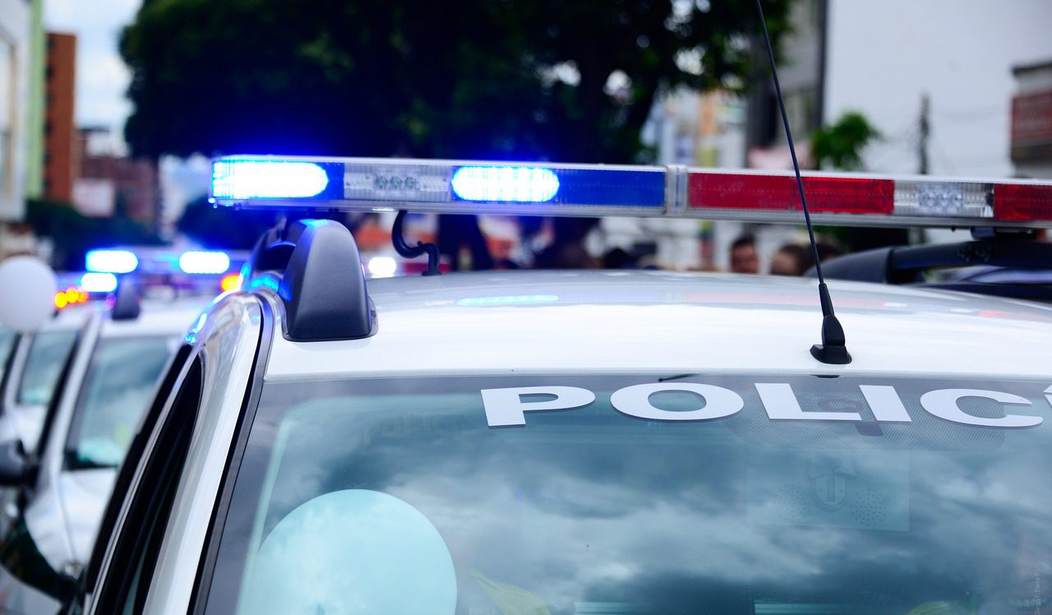
A photograph that appeared to show a Gresham High School student with a gun prompted a police response at the school on Tuesday. After investigating, Gresham Police say the image was likely AI-generated.
According to Gresham Police, officers responded to the school after receiving a report about a photograph of a student with a firearm. Police said the image had been posted in a school restroom.
Several officers responded and began investigating the circumstances surrounding the photograph.
According to police, officers interviewed multiple students and obtained consent to search several students' phones.
The photo in question showed a real student, and after police identified them they received consent to search the kid's house. No guns were found, and afterwards police stated they believe the image was "likely" generated by AI, though they haven't said if they know who was responsible or if anyone is facing charges.
This is a disturbing development, and one that could take the practice of "SWATing" to a whole new level. Instead of making a false report to police about a crime in progress, someone could simply manufacture photographic or video "evidence" of a crime and let the authorities take it from there.
Think about how easily this technology could be weaponized by a teenager with a grudge against a classmate. A student who's being bullied could suddenly find themselves at the center of a police investigation after someone circulates an image of them carrying a gun in a school hallway. Even if police ultimately determine that the image is fake, the damage to that student's reputation could be enormous. And what happens if the image is convincing enough that police decide they need to take immediate action before they've had a chance to verify its authenticity?
The potential for abuse isn't limited to students, either. An unscrupulous teacher or school administrator who wants to get rid of a troublesome student could conceivably use the same technology to manufacture a reason for suspension, expulsion, or even criminal charges. I'm not suggesting that's what happened in Gresham, but the technology certainly makes that kind of malicious behavior easier than it's ever been before.
And there's no reason to think this will remain a problem confined to schools.
Imagine a gun owner who's been feuding with an anti-gun neighbor. That neighbor could create an image purporting to show the gun owner brandishing a firearm, threatening someone, or carrying a gun somewhere it's prohibited, then forward it to police along with a complaint. Even if the accusation eventually falls apart, the gun owner could find themselves facing an armed police response, the seizure of their firearms, or a lengthy legal battle to clear their name.
I can also see anti-gun activists using AI-generated images to portray lawful gun owners as reckless, dangerous, or irresponsible. A fake photo of someone pointing a gun at protesters, for example, could spread across social media long before anyone establishes that the incident never happened. By the time the truth comes out, the person's reputation might already be ruined. As the old saying goes, a lie gets halfway around the world before the truth has a chance to get its pants on.
Police can't ignore photographs or videos that appear to document criminal behavior, especially when there's a potential threat to students. The officers in Gresham had every reason to investigate the report they received. But as AI-generated imagery becomes increasingly convincing, investigators are going to have to be far more careful about treating a photograph as proof that something actually happened.
For gun owners in particular, there's a frightening possibility here. We've already seen how false accusations involving firearms can lead to dangerous police encounters. Now almost anyone with a smartphone could potentially manufacture the evidence to support those accusations.
There's another old saying that seeing is believing. These days, seeing might just mean somebody had a good AI prompt to go along with their bad intentions.