








If someone wants to take their life, and they own a firearm, they're likely to use it, unfortunately. If they don't have one, they might buy one, or they might look for some other way to provide a permanent end to a temporary problem. Either way, the issue with suicides isn't about guns, but about the mental health crises that lead to them.
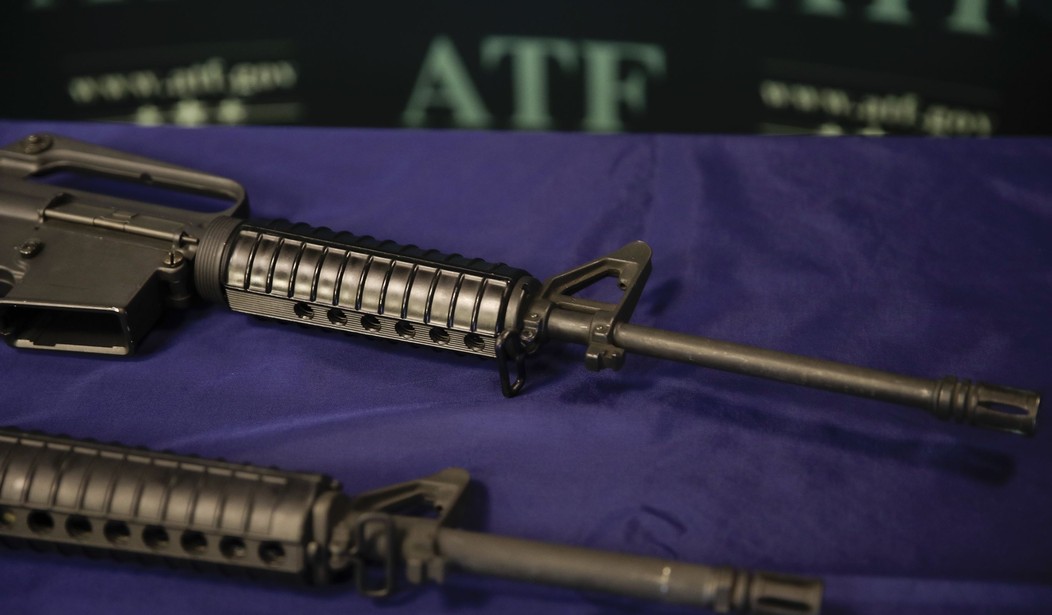
But, last month, a study was released that supposedly linked so-called ghost guns--unserialized firearms, typically made at home via various means--to suicides.
I wasn't impressed by the study.
But, unsurprisingly, The Trace was. They wrote a whole piece about it.
People who attempt suicide, nine out of 10 times, will survive — if they don’t use a gun. But suicide attempts with a firearm are almost always fatal: nine in 10 attempts end in death.
For years, researchers have been sounding the alarm on the deadly connection between firearms and suicide risk, emphasizing that the danger of suicide is also a matter of access. Now that research is going a step further, linking increases in firearm suicide to ghost guns, a type of unserialized firearm assembled from kits typically bought online.
Using data from The Trace’s Gun Violence Data Hub, researchers at New York University analyzed California’s gun recoveries in conjunction with data from the Centers for Disease Control and Prevention. The study found that for every 20 ghost guns recovered, the firearm suicide rate increased by about 6 percent across the state.
The authors said the findings, published last month, are the first empirical evidence linking ghost gun recovery rates to firearm suicide rates, laying an initial groundwork for understanding the health risks associated with homemade guns.
“Ghost guns are not just a law enforcement problem, they are a public health problem,” Jemar Bather, a biostatistician at NYU and the study’s lead author, told The Trace via email. “[They] can be acquired without background checks or waiting periods, bypassing the very safeguards designed to create a pause between intent and action, which makes them particularly consequential for individuals seeking means for self-harm.”
The problem is that this study, first of all, really just looks at one state's data, which isn't necessarily indicative of what the other 49 have going on.
Diana Silver, one of the co-authors on the piece, noted that this study doesn't make a causal link between "ghost gun" availability and suicides. In other words, just having a privately made firearm won't somehow make you more inclined to commit suicide than if you didn't have such a weapon.
However, let's also remember that California has restrictions on so-called ghost guns already in place. While it's easy to see them trying to demonize these firearms, the reality is that the law in the Golden State doesn't seem to be slowing this down all that much, now are they? So how is it that all of the laws that Bather claims prevent suicides are supposedly working, but this law isn't?
We also need to remember that the number of so-called ghost guns being recovered by law enforcement remains pretty low, which means it's unlikely to be any real difference in the overall suicide rate.
The Trace also downplays one of the more interesting findings of this study, which is mostly nonsensical otherwise. They found absolutely no difference in homicides tied to "ghost gun" recoveries. None at all.
Shocking, isn't it?
So the big headline that The Trace pushes here is basically male bovine excrement, and the bit they downplay as much as they can without it biting them in the posterior later shows everything they've pushed about privately made firearms is also male bovine excrement.
Just par for the course for Michael Bloomberg-funded "newsrooms," I suppose.
Editor's Note: The mainstream media continues to lie about gun owners and the Second Amendment.
Help us continue to expose their left-wing bias by reading news you can trust. Join Bearing Arms VIP and use promo code FIGHT to get 60% off your membership.
Join the Conversation
VIP members get the ability to comment on articles.