
Young adults, meaning adults under the age of 21, are considered old enough for almost anything any other adult can do. The exceptions are running for federal office and drinking, for the most part. Oh, and guns. They get different rules on guns, depending on where they are.
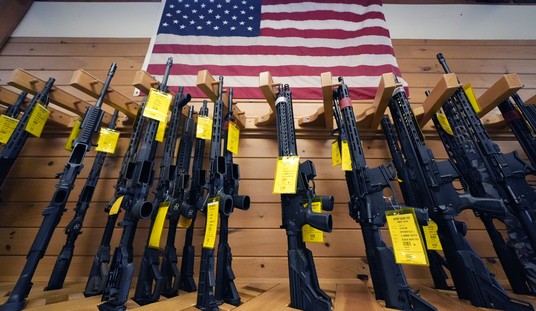
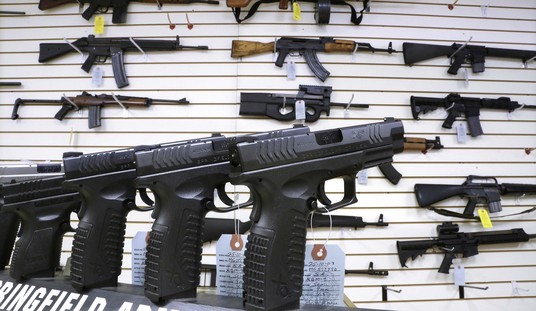
Federally, the law only forbids them from buying a handgun from an FFL. There's nothing in federal law that prevents them from purchasing one from a private individual, and they can even get one as a gift. Unless they're prohibited for some other reason, like a felony conviction or an adjudication of mental illness, they can own one. They just can't buy it from a licensed dealer.
Recently, as we reported, the Justice Department's Office of Legal Counsel issued a formal opinion concluding that the law violates the Second Amendment and cannot constitutionally be criminally enforced.
It was a fascinating development, but in and of itself, it didn't mean all that much.
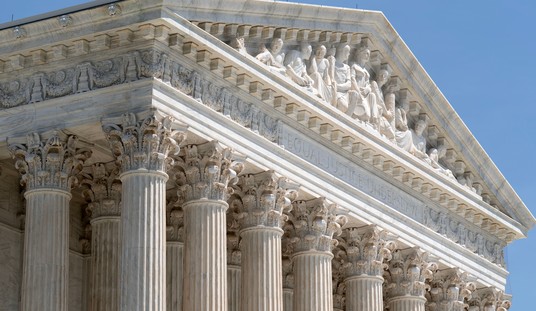
But today is the deadline for the DOJ to file a cross-appellant's brief in FPC vs. ATF, a lawsuit challenging the ban on retail handgun sales to young adults. The district court ruled in FPC's favor, but narrowly applied its decision only to those FPC and Louisiana Shooting Sports members who belong to those organizations when the lawsuit was filed, and only those those residing in the Fifth Circuit's jurisdiction.
So what exactly will the DOJ do?
First, DOJ it could decline to file a brief and abandon its cross-appeal, though exactly how the Fifth Circuit would handle the government's participation after that would be up to the court.
Next, they could file a brief acknowledging that their position has changed and arguing that the relief in this case should reflect the DOJ's conclusion that the law is unconstitutional.
It's important to remember that the Fifth Circuit has already ruled that the federal ban on handgun sales to adults under 21 violates the Second Amendment. The DOJ chose not to ask the Supreme Court to review that decision. The legal issue now isn't whether these young adults have Second Amendment rights, but how broadly the lower court's ruling should apply and who should benefit from it.
The DOJ could still file a brief addressing the scope of relief or explaining how its new position affects its cross-appeal. It could even abandon its cross-appeal altogether. But it would be awfully strange to continue fighting to limit the practical effect of a Fifth Circuit decision that the DOJ now says is correct.
And unlike a typical Second Amendment case, there's no need to fight all the way to the Supreme Court to get a favorable ruling on the underlying constitutional question. The plaintiffs already have one. The Fifth Circuit has said the ban is unconstitutional, the DOJ declined to appeal that decision to SCOTUS, and now the Department itself agrees with the Fifth Circuit's conclusion.
The remaining question is how much practical effect that victory will have and whether the DOJ is going to continue fighting over the answer.
Which, of course, will be the result of doom-and-gloom prophecies that won't come to pass, so they'll be completely ignored by the anti-gunners who routinely make such pronouncements, but then act like they said nothing at the time.
Editor’s Note: President Trump and Republicans across the country are doing everything they can to protect our Second Amendment rights and right to self-defense.
Help us continue to report on their efforts and legislative successes. Join Bearing Arms VIP and use promo code FIGHT to receive 60% off your membership.







Join the conversation as a VIP Member