
The 14th Amendment incorporated the Bill of Rights, making the rules apply at the state and local level, rather than just the federal. It meant that states couldn't have a state religion, for example, because the First Amendment expressly forbids that. And yeah, some states did that, though none forbid all other religions, so far as I recall from my reading.
This idea of incorporation is important, because the McDonald decision made it clear that the Second Amendment was incorporated, too. Chicago couldn't ban guns, no matter how much they wanted to, because all law-abiding Americans have the right to keep and bear arms.
Someone should tell the people at The Smoking Gun that, because the Everytown "journalism" project published a piece headlined, "Leave Assault Weapons to the States? Congress Already Did."
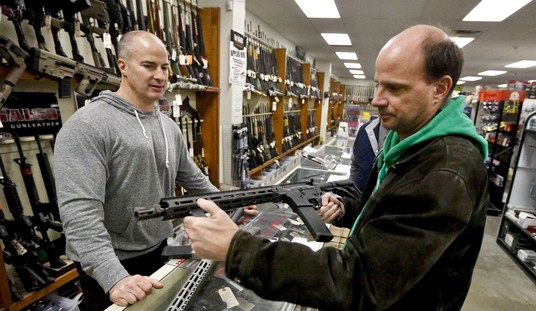
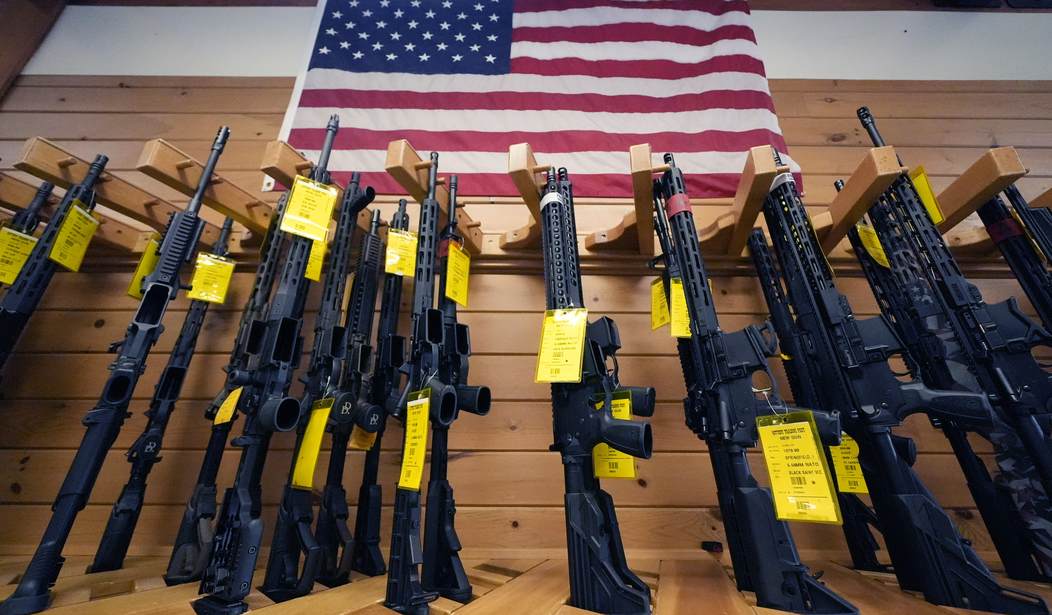
On December 2, the Supreme Court will hear Viramontes v. Cook County, where gun rights advocates are asking the justices to find that the Second Amendment protects the right to own AR-15s and similar assault weapons. At issue in the case are assault weapon bans first passed in the 1990s in Connecticut and in Cook County, Illinois. The Supreme Court has, for over a decade, declined to take action on all the assault weapons petitions before it, and against that backdrop of restraint, the number of states with assault weapons bans has grown to 11. But if the court decides this term that assault weapons are constitutionally protected, it will upend the status quo for everyone who lives under the protection of a state ban.
Over 118 million people — more than a third of the U.S. population — now live in a state where it is illegal to buy or own an AR-15. California, Connecticut, Delaware, Illinois, Massachusetts, Maryland, New York, New Jersey, and the District of Columbia ban the manufacture, sale, and possession of assault weapons. Rhode Island, Virginia, and Washington prohibit the manufacture and sale of assault weapons.
The problem here is that it doesn't matter what the states have to say about it, because this is a constitutionally protected right. They don't get a say in the matter, just like they don't get to decide that memes mocking politicians are forbidden because the First Amendment applies to them, too.
This isn't rocket science.
It's also hilarious how they feel about federalism. They have no qualms about restricting a right at the federal level, but they don't want statewide restrictions touched. They don't care about the concept of federalism at all, they just use the language of it to try and justify creating the most restrictive environment for gun ownership they possibly can.
Tragedies happen, and I understand the urge to address them. I think we should address them, actually.
I just know that gun control doesn't make anything better.
Nearly a year ago, two terrorists killed 15 innocent people on Bondi Beach in Australia. They used bolt-action rifles and were able to keep up a rate of fire against targets unable to defend themselves, sufficient to kill those people and injure an additional 40. These weren't modern sporting rifles or even semi-automatic handguns, but "hunting rifles."
Speaking of handguns, the worst school shooting in the United States happened on April 16, 2007, at Virginia Tech. An individual armed with two handguns killed 32 people. 17 others were shot, while several additional injuries occurred when people leapt out of classroom windows to avoid the slaughter. At the time of this shooting, Virginia had a gun rationing law in effect. The killer simply waited to buy a second handgun.
So my point is that tragedies can and will occur, regardless of what gun laws you have on the books.
States have restricted modern sporting rifles, sure, but some states have restricted abortion, which your average enjoyer of The Smoking Gun, if such a person exists, has a problem with and wants to see overturned by the Supreme Court in yet another reversal. Again, they're remarkably inconsistent on what states should be permitted to do, aren't they?