When the outrage over Flock first flared up, I wasn't sure what the deal was. License plate readers aren't exactly new, and while I'm not thrilled about them, they seem fairly limited and, perhaps most importantly, constitutional.
Flock, however, takes this to a different level, and we who support gun rights need to be nervous.
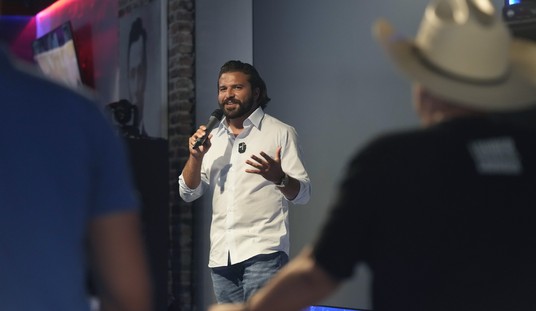
First, let's understand the constitutionality aspect. I saw this video yesterday that gets into both the current constitutionality of Flock readers, as well as the major problem with them and why that constitutionality is, at best, temporary.
The fact that Jake ended up with one in his driveway may be, and probably is, coincidental, but I'm not heading to Polymarket to put money on it.
But this is about why Flock cameras are pushing the constitutionality of its license plate readers into a dangerous area. What does it have to do with the Second Amendment, beyond my own previously discussed paranoia?
It's because Flock does a lot more than license plate readers.
In October 2024, Flock Safety acquired Aerodome for more than $300 million. Aerodome, a young startup focused on Drone-as-a-first-responder technology, developed an NDAA-compliant, American-made drone system now marketed under the Flock Alpha name.
Flock Alpha Combines Plate Readers, Thermal Imaging, Live Video, and Gunshot Detection
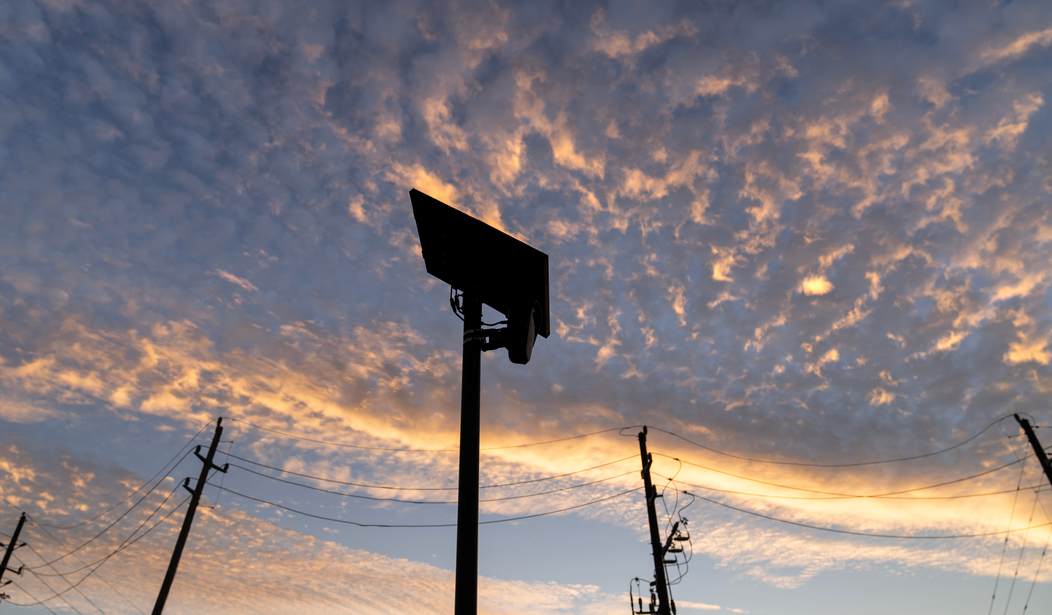
The Alpha functions as a mobile flying extension of Flock’s existing camera network, but its capabilities far exceed those of any stationary pole-mounted unit. According to company materials and independent reporting, the drone can read license plates from up to 2,000 feet away using a multi-sensor payload that includes high-resolution optics, thermal imaging, and low-light performance. It integrates directly into the Flock network and software suite, allowing plate reads captured in the air to feed the same databases and hot-list alerts that ground-based Falcon cameras already populate.
The Alpha does not stop at automated license plate recognition. It also includes a gunshot-detection capability that can trigger automated launches when sensors detect potential gunfire. This technology is conceptually similar to systems such as ShotSpotter, which has faced sustained criticism over accuracy. A 2021 report from the Chicago Office of Inspector General examined tens of thousands of ShotSpotter alerts and found that evidence of a gun-related criminal offense was documented in only about 9 percent of police responses. Independent analyses and city data from other jurisdictions have similarly questioned whether acoustic gunshot detection consistently delivers actionable results or simply generates large volumes of responses that yield little evidence. Pairing an imperfect acoustic system with a rapidly deployable aerial platform risks amplifying false positives while expanding the geographic reach of the response.
Beyond plate reading and gunshot alerts, the Alpha can transmit live high-definition and thermal video feeds directly to a real-time crime center or control room. Operators can observe streets, parking lots, and public spaces in real time, directing the aircraft as needed. Unlike traditional police helicopters, which are loud and highly visible, drones operating at altitude can be remarkably quiet. This reduces the chance that people on the ground will even know they are being watched. The combination of range, quiet operation, and seamless data integration means law enforcement can maintain persistent visual coverage of areas without the logistical and financial burden of manned aviation.
So cities and police departments are paying Flock to establish an entire surveillance grid that will, among other things, detect gunshots, as well as almost anything else loud enough to be detected by their microphones.
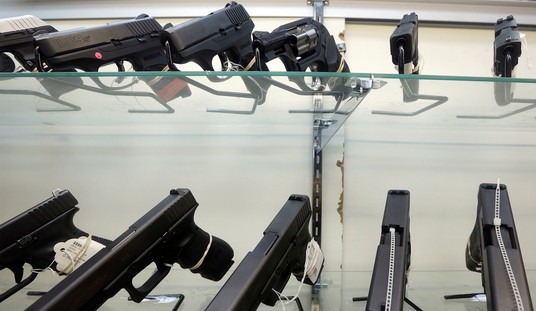
It can also track people from the gun store to their home. They can track people from local ranges to their homes. Some of you all worry about the feds following social media posts and are very careful to talk about losing your guns in a tragic boating accident, but a handful then turn around and act like Flock's system isn't anything to sweat.
I honestly don't get it.
See, the problem here isn't that a reader gets your license plate at a given intersection. It's that with enough of them, you can get that "mosaic" effect Jake talks about in the video. All of it can be put together to determine your comings and goings.
This is very troubling, because while it's bad enough that we all carry a microphone and tracking device in our pockets every day, Fourth Amendment protections mean that the authorities can flip a switch and listen in on what we're talking about just for funsies. They need a warrant, which means they need probable cause. That's a layer of protection that our Founding Fathers wanted for us, even if they couldn't envision the technology.
Flock, with its branching into so many different surveillance systems, brings something to the table that's different. They can use it to track individuals.
Last month, the Georgia Bureau of Investigation arrested five police officers in my hometown who used the Flock system for "non-law enforcement purposes." They used the system to track vehicles known to them personally. While this was illegal, the issue is that they could do this. The capability exists, and so it can be used for law enforcement purposes easily enough.
And if Big Brother decides law enforcement purposes include seeing who is going to the gun store, we have a problem. We have a big one.