Utah was the first state in the nation to expressly adopt a campus carry law more than 20 years ago, and the state legislature expanded the original statute last year to allow adults 18 and older to lawfully carry either openly or concealed on campus so long as they possess a valid carry license.
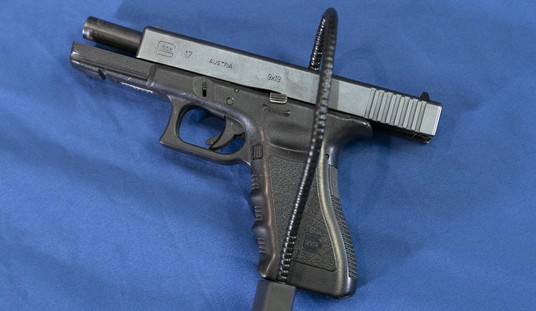
Now the law could be amended once again, though this time the proposed expansion comes with a trade-off. HB 884, authored by Rep. Walt Brooks, would remove the need for a carry license and extend the state's permitless carry statute to public institutions of higher learning, but unlike the rest of the state, those locations would only be open to those who conceal their firearms.
Brooks told Utah News Dispatch he would “rather have more people have access to carry on campus, rather than fewer people having more options to carry, when there’s open and concealed.”
According to report by Everytown — an anti-gun violence research organization — policies to “force colleges to allow guns on campuses are likely to lead to more shootings, homicides, and suicides.” The report adds they also hinder a school’s ability to “prevent mass shootings on campus.”
Asked what his message is to students expressing safety concerns, Brooks told Utah News Dispatch, “OK, thank you for their opinion. I think people have the right to have their opinions for safety or not safety,” he said. “We just look back at what’s the data, and the data shows that this shouldn’t have any concerns at all.”
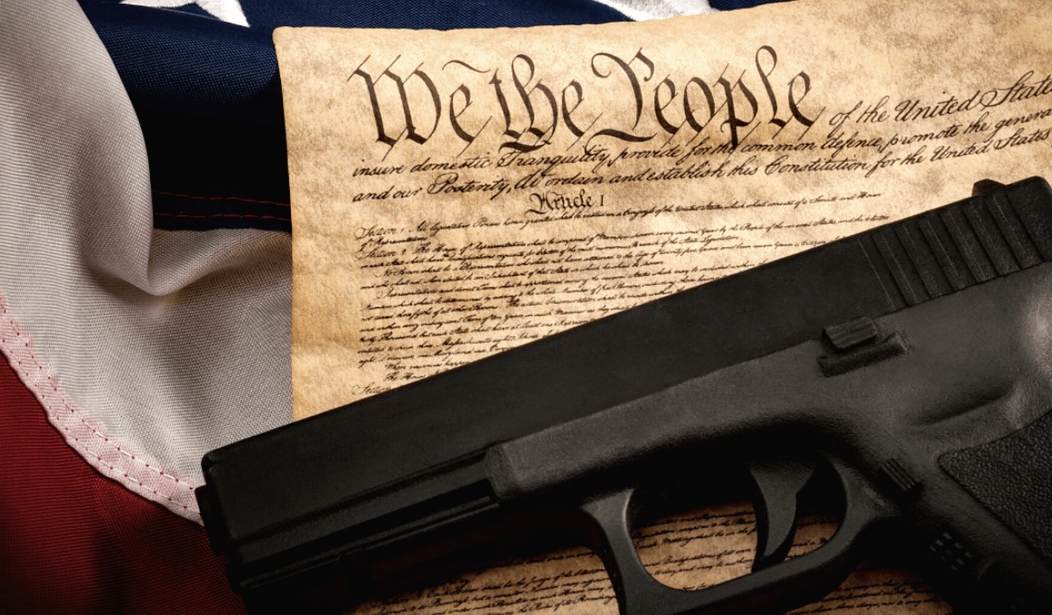
The fact that Utah lawmakers haven't even seriously considered a ban on campus carry after Kirk's assassination speaks volumes about the support for the Second Amendment in the state. And Brooks' stated intention of allowing more people to exercise their right to bear arms on campus seems true enough, given what HB84 would do.
Brooks says that his original intention was to remove the need for a carry permit in order to bear arms either openly or concealed on college and university campuses, but he ran into resistance among some lawmakers to the idea of allowing permitless open carry in those spaces. That still doesn't explain, though, why Brooks decided to include an outright ban on open carry in his legislation, given that the practice is currently allowed so long as the gun owner possesses a valid carry license. '
That, however, is a pretty recent change. When Utah first adopted its campus carry law in 2004, it applied only to concealed carry, and only to those 21 and older. It wasn't until 2025 when the law changed to allow adults 18 and older to carry, and to do so either openly or concealed.
I haven't heard of any issues about openly carried firearms in the months sense, but I wonder if Brooks' bill isn't meant to address students and faculty who feel unsafe or freaked out by visibly carried guns without actually impacting the ability to bear arms for those who choose to exercise their Second Amendment rights on campus. Even though the net result may be more guns on campus, out of sight may mean out of mind for many non-gun owners.
Now Utah Gov. Spencer Cox has a decision to make. He can sign the bill into law and allow the state's permitless carry statute to extend to college and university campuses (albeit only for one form of carry), or veto the bill and keep the status quo in place. If Cox chooses the latter option, though, it's possible the legislature could override his veto. HB 884 was approved in amended form by the Senate on an 18-5 vote with six lawmakers abstaining, and the House adopted the Senate's version on a 58-8 vote with nine lawmakers abstaining or absent.
I'm not generally a fan of having to make a trade-off when it comes to our individual rights, but in this case I think Brooks' bill is more help than harm to gun owners. Allowing 18-year-olds to carry without the need for a government permission slip is a major improvement to the campus carry law, and there's nothing to prevent legislators from going back and amending the law again in the near future to once again allow lawful gun owners to carry in the manner they choose... this time without having to possess a valid carry license first.