
Murder is murder, so why is a homicide committed with a gun punished more severely in many places than when a vehicle is involved? It's a question recently posed by an Ohio television station, but the reality is more complicated than their headline (and news report) suggests).
As WHIO recently reported, a murder conviction where a gun or knife is involved will result in a sentence of at least 15 years in prison. But killing someone while behind the wheel can sometimes result in a prison sentence of just a few months.
Crystal Heflin is a grieving mother. She lost her son, Chris Gwynne, just days before he graduated from Northmont High School in 2023.
“It’s just a terrible feeling, knowing that it’s almost like they’re saying your loved one’s life doesn’t matter,” she said.
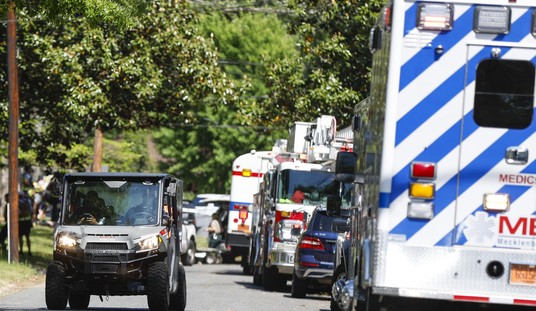
Gwynn and his friends, who were checking out other graduation parties, got into a classmate’s car. That 18-year-old girl, who prosecutors said had been drinking, sped down Salem Avenue over 70 mph in a 35-mph zone, lost control, hit a pole, and Chris, sitting in the back seat, died as a result of the crash.
Unbelievably, he driver received just 30 days behind bars for driving drunk and killing a passenger. That's on the low end of sentencing guidelines, even under Ohio law, which calls for a six-month sentence for vehicular homicide. That crime is a misdemeanor for some reason, even though a homicide committed with a gun, knife, or even fists is punishable by at least nine months in prison under the least serious charge of reckless homicide. Manslaughter convictions or guilty pleas incur a mandatory minimum sentence of three years, and a murder conviction comes with a minimum sentence of 15 years.
Even repeat drunk drivers are often let off with what seem like incredibly light sentences when they take a life behind the wheel.
Former Ohio State football player Kirk Barton killed a 23-year-old man in the Columbus area by slamming into his vehicle at a high rate of speed.
Barton had previous OVIs and registered 2.5 times the legal alcohol level. He received only 5 to 7.5 years in prison.
A 23-year-old woman died in Las Vegas in 2021 when pro football receiver Henry Ruggs, III, slammed his high-profile performance vehicle into her car at almost 160 mph. He received only 3 to 10 years and has already had a parole hearing.
One reason for the disparity in sentences between a murder and a vehicular homicide is the lack of intent to kill. An inebriated person who drives home from the bar and hits someone along the way didn't intend to take a life, unlike someone who acted with premeditation in killing another. And the WHIO report glosses over the fact that reckless homicide in Ohio comes with a mandatory minimum sentence that's almost as soft as the sentence for vehicular homicide; a matter of months behind bars, not years.
Last December, for instance, an Ohio man was sentenced to six months of home detention after pleading guilty to one count of reckless homicide in the shooting death of his friend. Joey Williams and Louis Christman were cleaning guns when the firearm Williams was holding discharged, striking Christman in the chest and Williams in his hand. Williams was given the option of 30 days in jail or 180 days in home detention, and chose the latter option.
Williams didn't intend to kill his friend anymore than the driver who killed Chris Gwynne meant to crash and take his life. I would argue, though, that driving drunk is an inherently dangerous activity, while cleaning a gun is not. Williams made a fatal mistake by not ensuring the gun he was cleaning was unloaded, but had he followed the basic rules of gun safety his friend would be alive today. There's just one rule for safe drunk driving: don't do it.
The issue of disparate sentences is more complicated than WHIO's story suggests, but I think Heflin's complaint about the light treatment for those who take a life behind the wheel is valid, and I'm glad to see that Rep. Phil Plummer told the television station that he will "take a look" at the statute and may file legislation increasing the penalties.
Editor's Note: Do you enjoy Bearing Arms's conservative reporting that takes on the radical left and woke media? Support our work so that we can continue to bring you the truth.
Join Bearing Arms VIP and use promo code FIGHT to receive 60% off your membership.











Join the conversation as a VIP Member