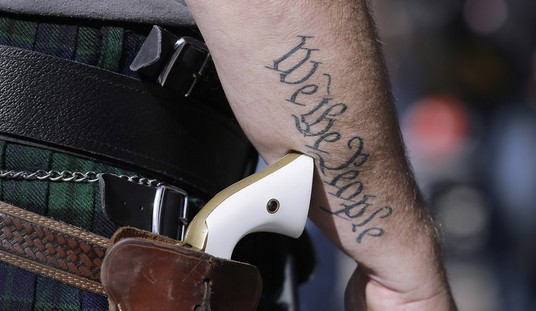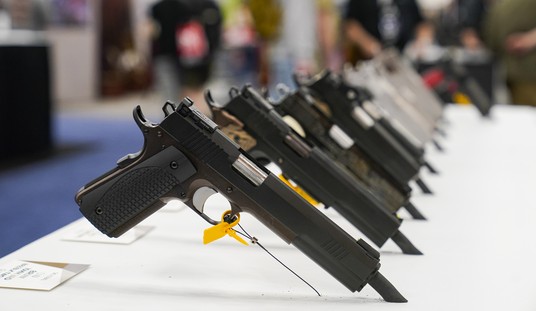
The Bruen decision wasn't perfect, but it was pretty darn good. One of the key things was that for a gun regulation to be constitutional, it had to fit within a particular framework. It had to fit within the tradition of gun ownership in this country, particularly around the time of the Second and Fourteenth Amendments' ratification.
For anti-gunners, that's a big hurdle. Like it or not, there's just not the framework they'd need to keep gun control on the books. That's especially true in the case of Viramontes, which challenges assault weapon bans.
Notoriously anti-gun political scientist Robert Spitzer, who has criticized pretty much every pro-gun decision the Supreme Court has ever made, is already trying to argue that the history, text, and tradition needed to pass the Bruen test are already in place.
When the Supreme Court takes up the assault weapons cases this fall, it will apply its history standard to determine whether assault weapons restrictions are “consistent with this Nation’s historical tradition of firearm regulation.”
As I mention in my book, if the history of weapons regulation shows anything, it is that weapons deemed dangerous by the public and state and local governments or otherwise incompatible with civilian use have been widely restricted. That includes everything from Bowie knives and certain types of clubs to the notorious Tommy gun of the 1920s.
Despite this extensive regulatory past, experts generally expect that the court will strike down assault weapons restrictions. If so, it will be hard-pressed to justify the result as consistent with America’s extensive history of weapons regulation.
The problem with the Tommy gun example is that this is a law that was passed half a century after the Fourteenth Amendment was ratified. It's not an analog that's likely to fly, and as for clubs, at least one such regulation was struck down specifically because it didn't pass the Bruen test itself. You can't use an unconstitutional arms control law to defend the constitutionality of a similar arms control law.
Now, let's talk about Bowie knives. Here's what Cam wrote following the Third Circuit's decision that assault weapon and magazine capacity bans were unconstitutional.
What about 19th century regulations on Bowie knives, slungshots, and other weapons? The majority says those laws "have the same 'why' as the Assault Firearm Provisions: They were intended to 'bar people from misusing weapons to harm or menace others.'"
The Third Circuit held, however, that those regulations are "too late in time, and none enacted an outright ban on a class of weapons in common use for lawful purposes."
To that, I'll also add that repeating firearms didn't just exist at the time, but were on the verge of becoming common. The Gatling Gun was also a thing and was available for private purchase despite the devastation such a weapon could create on the then-modern battlefield. There was no effort to restrict them, which hints that the lawmakers of the day weren't worried about firearms.
That suggests the historical precedent that gun control was still largely unacceptable.
Sure, Bowie knives are also arms, but the analog isn't going to fly.
The thing that annoys me here isn't that Spitzer made the argument. It's that it's already been smacked down repeatedly by me and others, including the Third Circuit Court of Appeals, and he's simply pretending it hasn't. It's blindly turning away from the debunking to pretend that it simply isn't happening, and is arguing the wrong history in a case that, ultimately, revolves around history. It's like complaining about the horrors of World War II and using the Battle of Agincourt as your defense.
It really is that stupid.