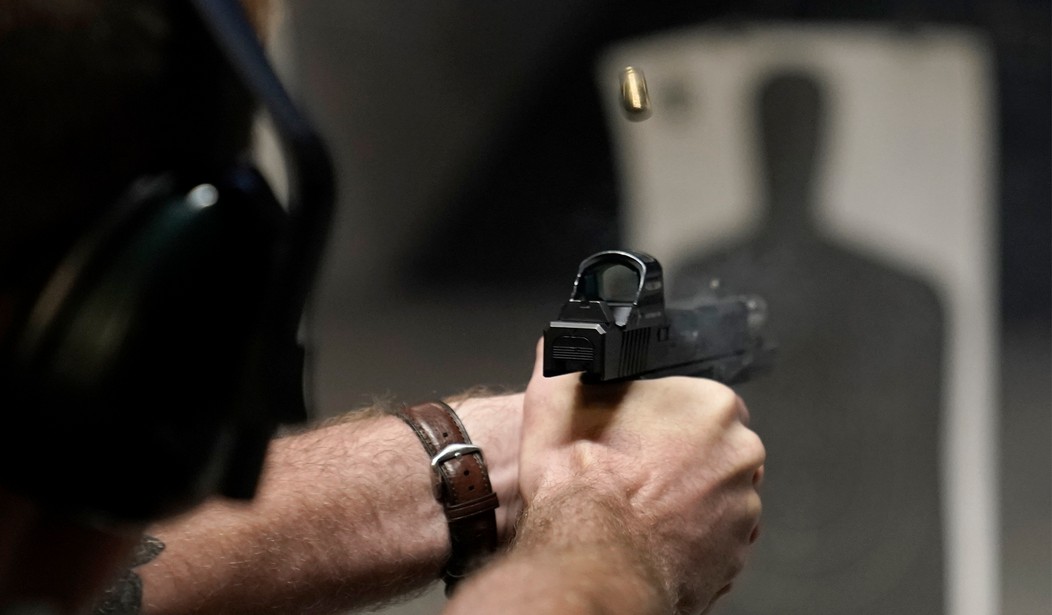
Training mandates for firearms-related licenses are barriers to the free exercise of the Second Amendment. Being the best students we can be rather than just getting it done has its benefits.
Whether a jurisdiction requires training for initial and/or renewal firearms-related licenses or permits can be quite consequential. There are some pitfalls and things to think about when taking compulsory (required) training and we’re going to discuss some. Training is a burden separating an individual from exercising a civil right — my advice is to make the best of it.
A recent online debate got me thinking about these concepts.
This is not a conversation about the constitutionality of training mandates. Required training is a burden — whether it’s good or bad. Take from that what you will. There are many areas where we have to just suck it up and if we want to be on the law-abiding side of the people, we do what we have to do. Yes, we can beat our chests and scream from the rooftops “shall not be infringed” all we want, but that does not change a thing if you want a ticket to ride.
Training for an initial permit or license is bad enough, but what about jurisdictions where license renewals must come with refresher training and/or qualifications? The problem that we run into is a matter of fatigue and there’s a compulsion to just get it over with, checking a box for the government.
Why should we take compulsory training seriously? For starters, we’re required to take the class or training to begin to or continue to exercise a right. Having a vested interest in that alone should be enough.
There’s a possibility that we’ll actually learn something. Novel as that may sound, walking into a training setting with the right mindset may change perceptions. Think: I’m here to learn and be the best student I can.
In New Jersey permit-to-carry holders must re-qualify once within two years of each permit renewal. There are minimum requirements that must be met for these qualification certificates to be valid.
Some recent comments online about training in New Jersey had varying tones. Naturally we’re going to focus on a negative one.
“That place has added requirements to get your certification,” was the spirit of one commenter’s criticism. He explained that as a Second Amendment community we’ll go after permitting officials for tacking on additional requirements and petition local governments to have fees removed, but we’ll also accept these “added requirements” from training facilities. He argued it did not make sense.
It’s 100 percent a free country and we can take training from whomever we want. New Jersey’s flavor of training and qualification requirements are what they are. People will argue there’s no reason to go beyond that.
Except there are.
These are the things I want people to think about when they’re taking required training:
- Are you adequately trained in marksmanship to where you can confidently put shots where you intend to without endangering bystanders?
- Liability. How what you’re learning and being taught may shield you if you find yourself as a defendant in a civil or criminal trial.
- Will your trainer be there for you after shots are fired? Did you take your class from your shooting buddy at the abandoned quarry or did you go to a modern facility and/or a professional trainer that has real skin in the game? Who do you want on the stand talking about your level of competence?
- If you’re in court you’re going to want to force that jury to have to meet you at your level of training and understanding of the topic. Those certificates will undoubtedly end up as exhibits, let them be meaningful reminders to your peers that you know what you’re doing.
- Was the class designed by and/or blessed by a professional organization/trainer? There’s a host of branded carry classes out there and many of them are flexible to allow regional or state-by-state variations. Did you take Joe Shmoe’s training or a class designed by one of the national leaders in firearms training? Vintage matters here.
- Is use of force required for your training or qualification? If so, what kind of bona fides is your trainer bringing to the table? Can they adequately articulate their expertise if needed?
- Did you take notes? If not, what kind of proof do you have that you were paying attention or even there at all?
You get the idea.
When it comes to training, yeah, it’s a bummer that it might be required, but make the best of it. If you can’t put yourself into the right mentality for the altruistic reason of potentially learning something new, maybe you can get there by thinking about it as a way to stay out of jail.
For me, training is very important. When I cross the threshold from the outside world to a training scenario or classroom, I go into student mode. My job in that setting is to take in as much information as possible, learn something new, fortify what I already know, improve myself, and then meet and exceed the requirements. I do that best by leaving all my biases and my resume offsite. “I’m just John,” I tell my instructors.
Who do you train with? Find me on socials and tell me all about it!
Editor’s Note: The radical Left will stop at nothing to enact their extreme gun control agenda and strip us of our Second Amendment rights.
Help us continue to report on and expose the Democrats’ gun-grabbing schemes. Join Bearing Arms VIP and use promo code FIGHT to receive 60% off your membership.








Join the conversation as a VIP Member